
 PT
PT EN
EN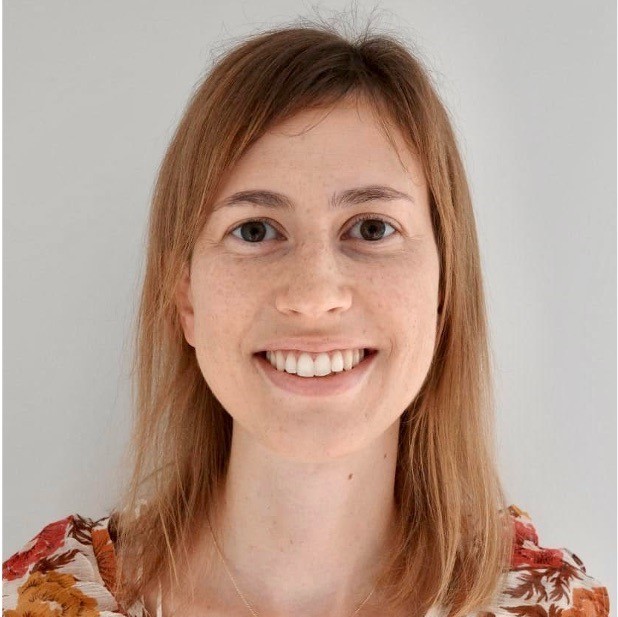
Ana Marta
Oftalmologista
Inherited retinal dystrophies: clinical challenges and artificial intelligence with deep learning
Esta tese de doutoramento apresenta uma caracterização abrangente das Doenças Hereditárias da Retina (IRD) em Portugal, combinando dados clínicos, genéticos e epidemiológicos. A investigação recorre a um registo nacional (IRD-PT) para mapear a prevalência destas patologias, identificando uma forte influência da consanguinidade e de variantes genéticas específicas. O trabalho examina também o impacto socioeconómico e a incapacidade visual dos doentes, sublinhando a necessidade de melhores políticas de apoio e reabilitação. Adicionalmente, explora-se a utilidade da Inteligência Artificial e do Deep Learning para automatizar o diagnóstico fenotípico e genotípico através de imagens da retina. A tese investiga ainda as propriedades biomecânicas da córnea, procurando identificar biomarcadores de suscetibilidade para outras comorbilidades oculares. Em suma, estes estudos lançam as bases para uma nova era de diagnóstico precoce, terapias personalizadas e investigação translacional em doenças retinianas raras. Para além dos seus contributos científicos, esta tese destaca-se como uma homenagem à resiliência dos doentes que vivem com distrofias hereditárias da retina e à dedicação das equipas multidisciplinares que os apoiam, um passo firme para um futuro onde a genética e a tecnologia se unem não só para restaurar a visão, mas também para reacender a esperança.
Pode consultar a versão integral deste trabalho em: https://hdl.handle.net/10216/172427
Ana Marta, especialista em Oftalmologia, integra a secção de Retina Médica, Retina Cirúrgica e Traumatologia Ocular do Serviço de Oftalmologia da ULS Santo António.
Faz parte do grupo de investigação Genetic epidemiology and epigenetics da Unidade Multidisciplinar de Investigação Biomédica (UMIB) do Instituto de Ciências Biomédicas Abel Salazar da Universidade do Porto (ICBAS-UP). Doutorou-se em Ciências Médicas no ICBAS-UP em janeiro de 2026, sob a orientação do Professor Doutor João Nuno Melo Beirão e coorientação da Professora Doutora Carolina Lemos e da Drª Maria João Menéres.
----------------------------------------------
This doctoral thesis presents a comprehensive characterization of Inherited Retinal Diseases (IRDs) in Portugal, combining clinical, genetic, and epidemiological data. The research utilizes a national registry (IRD-PT) to map the prevalence of these pathologies, identifying a significant influence of consanguinity and of specific genetic variants. This work also examines the socioeconomic impact and visual disability of patients, highlighting the necessity for improved support and rehabilitation policies. Additionally, the usefulness of Artificial Intelligence and Deep Learning is explored to automate phenotypic and genotypic diagnosis through retinal imaging. The thesis further investigates the biomechanical properties of the cornea, seeking to identify susceptibility biomarkers for other ocular comorbidities.
In summary, these studies lay the foundation for a new era of early diagnosis, personalized therapies, and translational research in rare retinal diseases. Beyond its scientific contributions, this thesis stands as a tribute to the resilience of patients living with IRDs and to the dedication of the multidisciplinary teams who support them, a firm step toward a future where genetics and technology unite not only to restore vision, but to rekindle hope.
Read the full version at: https://hdl.handle.net/10216/172427
Ana Marta, a specialist in Ophthalmology, integrates the Medical Retina section, Surgical Retina and Ocular Trauma section of the Department of Ophthalmology of ULS Santo António.
She is a member of the Genetic epidemiology and epigenetics research group at the Multidisciplinary Unit for Biomedical Research (UMIB) of the Institute of Biomedical Sciences Abel Salazar, University of Porto (ICBAS-UP). She got her Ph.D. in Medical Sciences at ICBAS-UP in January 2026, under the supervision of Professor João Nuno Melo Beirão and co-supervision of Professor Carolina Lemos and Dr Maria João Menéres.